
AI Fraud Detection Accounting Made Practical
Introduction
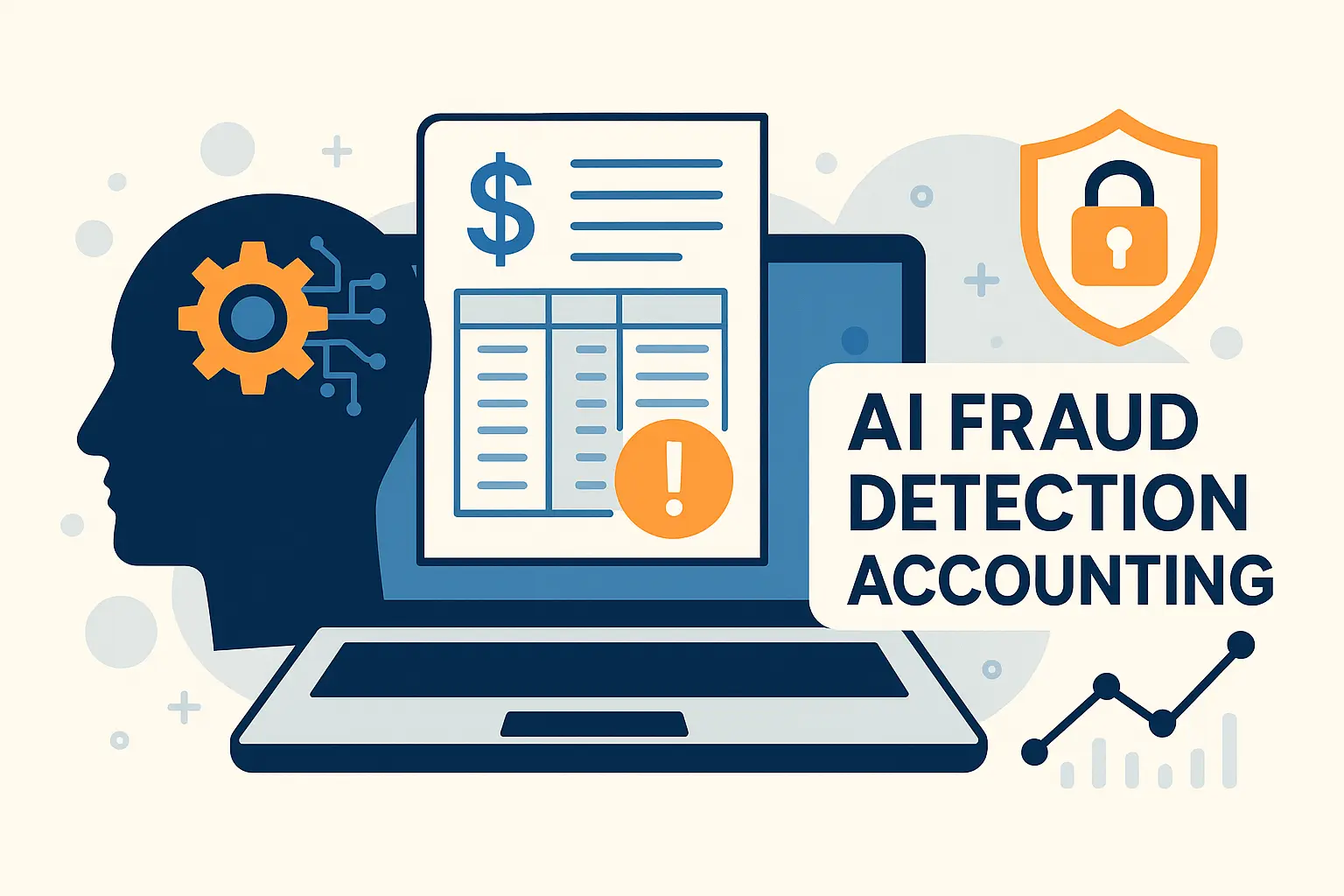
AI fraud detection accounting tools are now essential for firms that want cleaner books, fewer manual checks, and stronger financial oversight. Instead of relying only on traditional review methods, accountants can use AI systems that scan data in real time and highlight anything unusual.
For tasks like documenting findings, summarizing anomalies, or drafting client explanations, these ChatGPT for accountants examples show how AI can support fraud review workflows.
If you’re exploring how automation fits into everyday workflows, our post on AI in accounting for small business growth explains the broader impact of these tools.
Why AI Fraud Detection Accounting Matters
AI fraud detection accounting reduces the risk of overlooked errors and speeds up internal review. With the volume of daily transactions growing, manual checks alone aren’t enough. AI helps accountants stay accurate without adding more workload.
How AI Detects Errors and Fraud in Practice
1. Pattern Tracking in AI Fraud Detection Accounting
AI systems analyze historical financial behavior and compare it with new entries. When a transaction stands out — unusual timing, abnormal amounts, or a vendor pattern that doesn’t fit — it gets flagged immediately.
2. Error Detection for Cleaner Books
AI fraud detection accounting tools are excellent at spotting simple but costly mistakes, such as:
- Duplicate invoices
- Double-posted expenses
- Misclassified accounts
- Incorrect tax coding
These errors take time to find manually but AI catches them instantly.
3. Identifying High-Risk Anomalies
AI models are trained to recognize red flags often linked to fraud, including:
- Transactions just under approval thresholds
- Sudden vendor detail changes
- Suspicious posting times (weekends, late nights)
- Irregular rounding patterns
This early-warning system gives accountants time to investigate before issues grow.
4. Automated Document Verification
Using OCR and machine learning, AI checks receipts, invoices, and statements for accuracy. It makes sure amounts match the ledger, vendors are valid, and no document appears altered.
5. Real-Time Alerts for Fast Action
AI fraud detection accounting platforms notify users as soon as something looks out of place. This reduces cleanup work at month-end and helps firms maintain tighter internal controls.
Many of these capabilities overlap with what modern bookkeeping systems already automate, as we explain in AI Bookkeeping Essentials: How the New Tools Work.
Benefits for Accountants
- More accurate financial data
- Faster month-end close
- Better fraud prevention
- Less manual reconciliation
- Stronger compliance and audit readiness
These features add support rather than replace expertise, which we covered in more detail in Can AI Replace Accountants? A Clear, Simple Breakdown.
AI supports accountants by improving data quality — not replacing professional judgment.
Related Reading
If you want to see how automation also reduces mistakes during tax season, check out AI Tax Preparation Tools: Simple Ways to File Smarter.
For a broader look at how AI identifies anomalies and prevents fraud, IBM offers a clear overview in its guide on AI-powered fraud detection.